The terms bikepacking and cycle touring get used interchangeably by people outside the cycling world, but they describe meaningfully different approaches to traveling by bike. Understanding the difference helps you choose the right gear, plan better routes, and set realistic expectations for your trip.
Neither style is better than the other. They serve different goals and suit different riders.
Here is how they compare.
The Core Difference
Cycle touring is the older tradition. It typically involves riding paved or well-maintained gravel roads with gear loaded into panniers mounted on racks. The bike is a purpose-built touring frame with rack mounts, wide tires, and stable geometry. You carry more gear, ride more comfortably, and cover ground on established roads and paths.
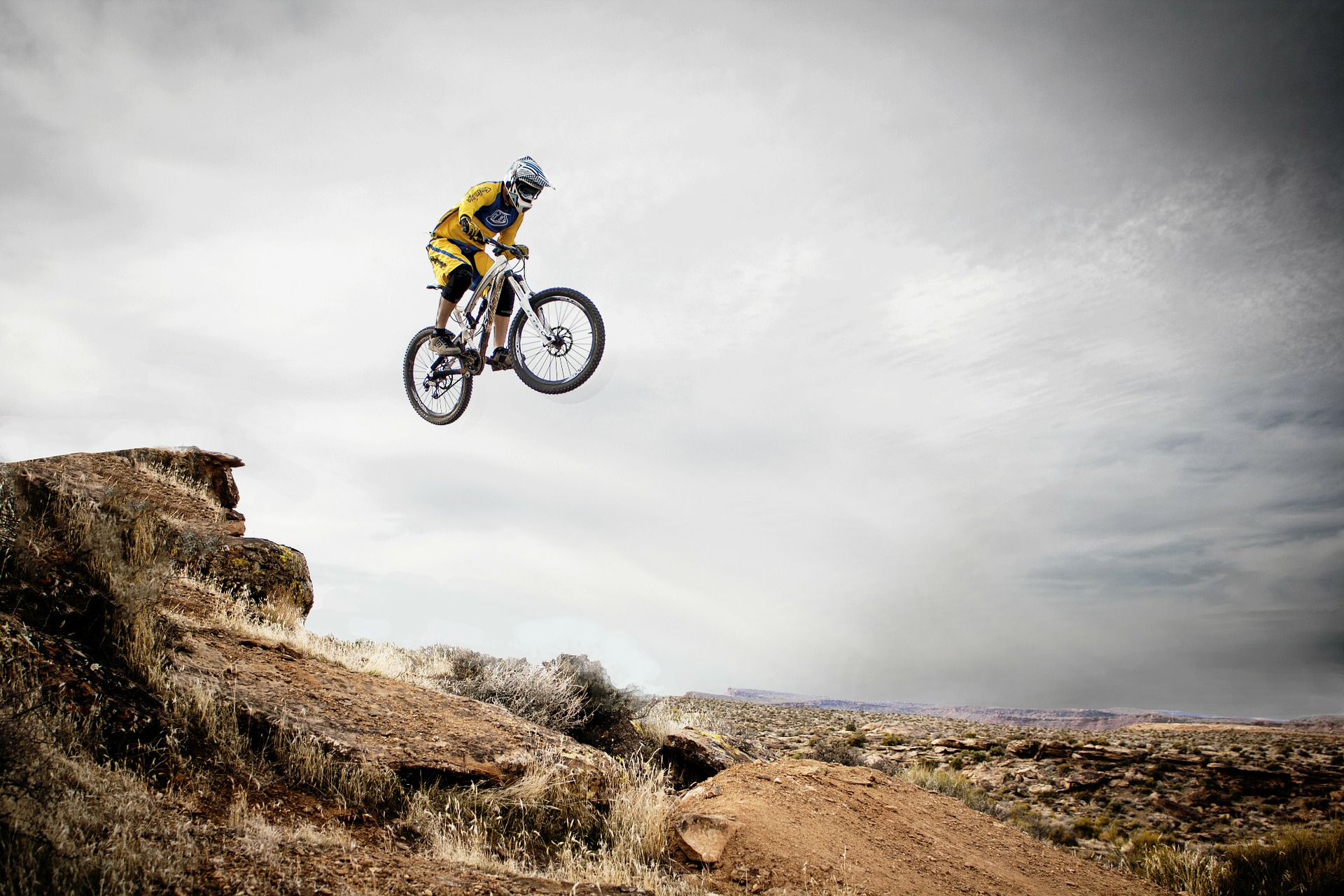
Bikepacking emerged from the mountain biking world and prioritizes off-road terrain, singletrack, and remote backcountry routes.
Gear is packed into bags that strap directly to the frame, handlebars, and seat post rather than hanging from racks. The setup is lighter, more compact, and better suited to rough terrain where panniers would sway and catch on obstacles.
The Bikes
Touring bikes are built for loaded stability. They have long wheelbases, relaxed head tube angles, and strong steel or aluminum frames with multiple rack and fender mounts.
The geometry keeps the bike stable at low speeds with heavy loads. Popular choices include the Surly Long Haul Trucker, Kona Sutra, and Trek 520.
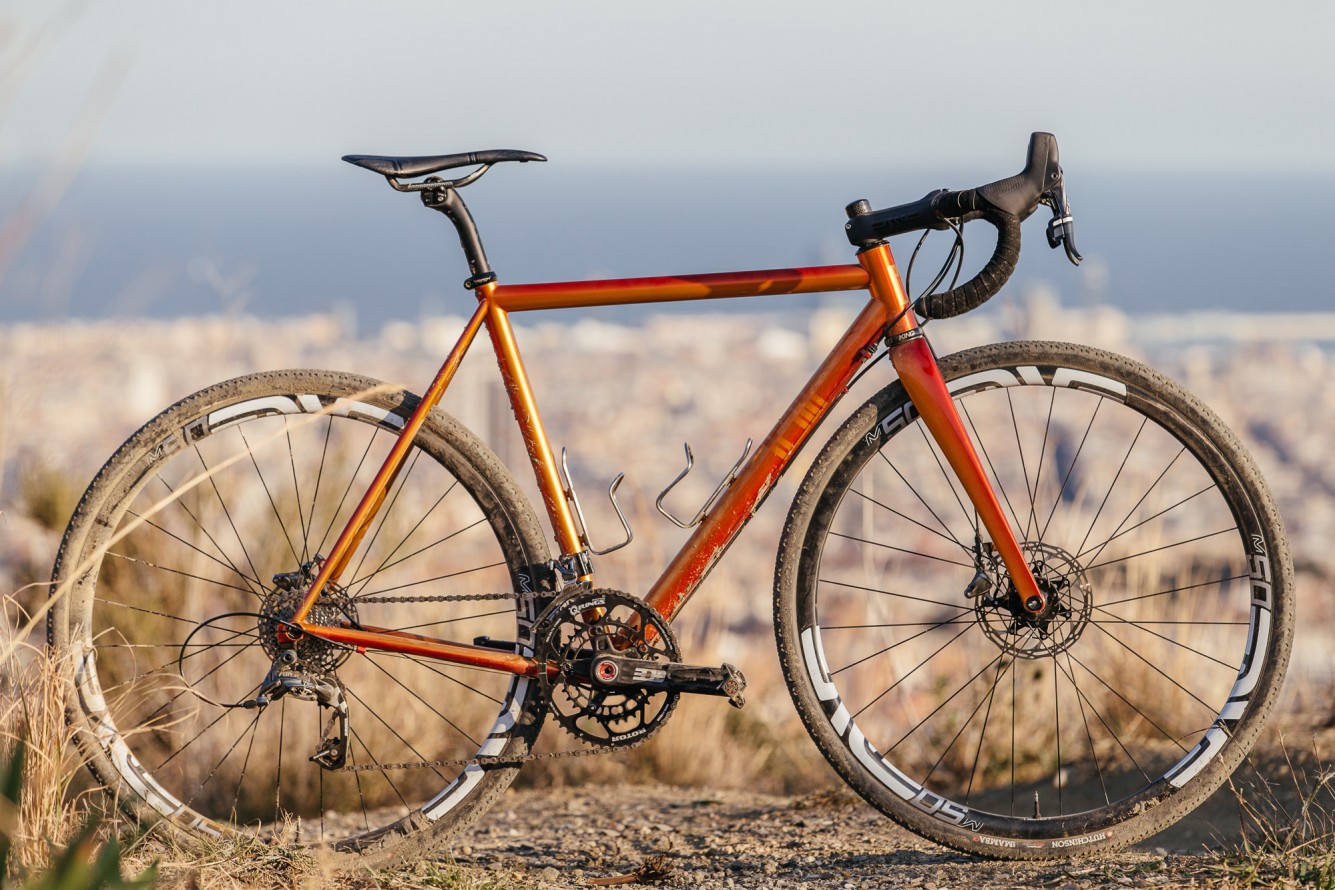
Bikepacking bikes are more varied. Many riders use hardtail mountain bikes, gravel bikes, or drop-bar adventure bikes. The key requirements are tire clearance for rough terrain, a frame with enough space for bags, and geometry that handles well off-road.
Rigid forks are common for their simplicity and bag mounting options, though suspension forks work too.
There is significant overlap. A gravel bike with rack mounts can serve both roles. But a dedicated touring bike with skinny tires and heavy racks is a poor choice for technical trails, and a full-suspension mountain bike is overkill for paved road touring.
Gear and Packing
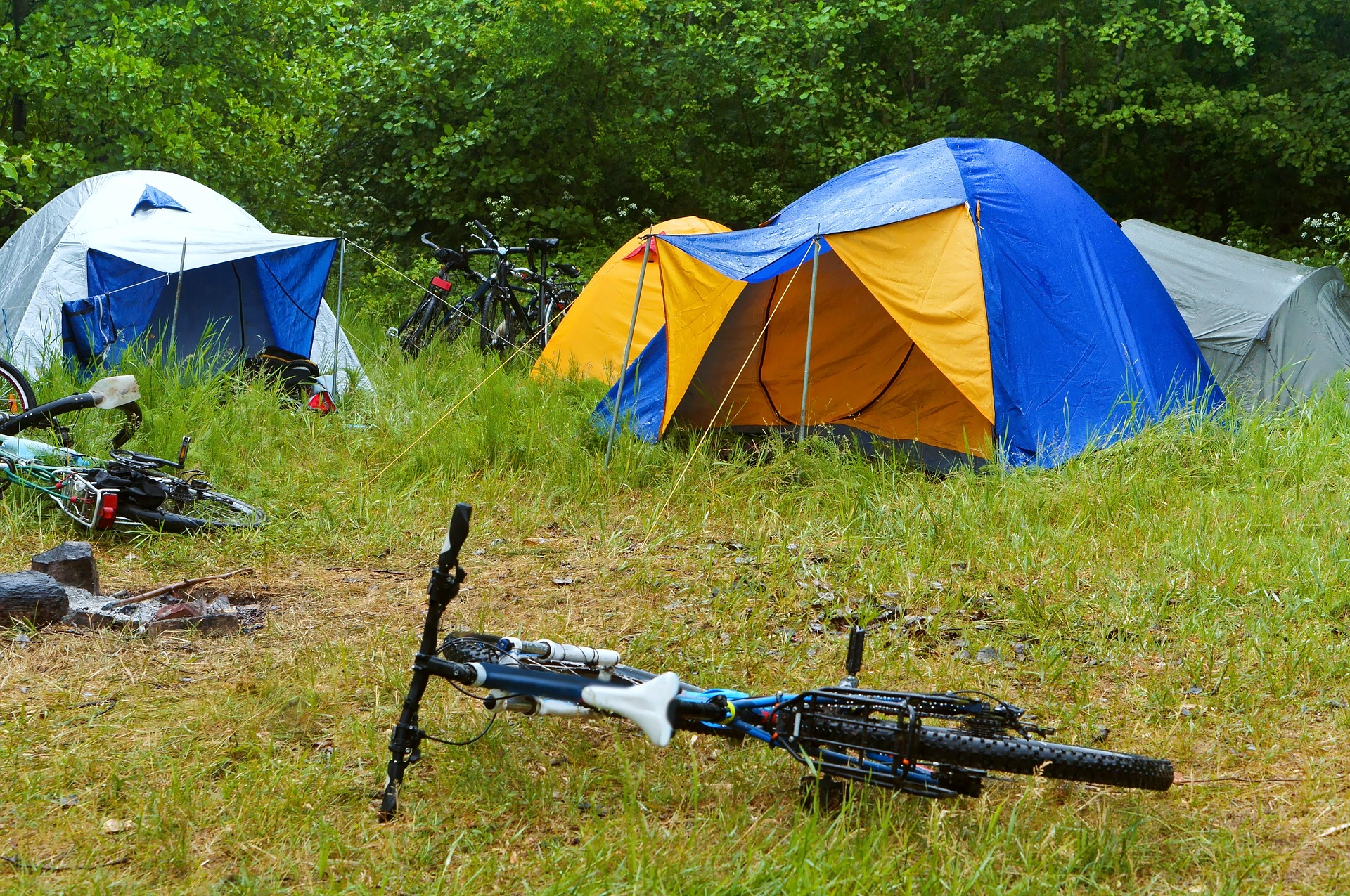
Touring setups use panniers, which are box-shaped bags that clip onto racks over the front and rear wheels. A full touring setup might include four panniers plus a handlebar bag, giving you 60 to 80 liters of organized storage. You can carry a camp chair, a full cooking set, fresh food, and a paperback book without worrying about space.
Bikepacking setups use soft bags that strap to the bike.
A seat bag hangs under the saddle, a frame bag fills the main triangle, and a handlebar roll or bag sits in front. Total capacity is usually 25 to 45 liters, which forces you to be selective about what you bring. Every item needs to justify its weight and volume.
The practical result is that touring lets you bring more comfort items at the cost of weight and bulk. Bikepacking forces minimalism but rewards you with a lighter, more nimble bike that handles better on trails and climbs.
Terrain and Routes
Touring routes follow roads and established cycling paths.
The TransAmerica Trail, EuroVelo network, and Ruta de la Plata are classic touring routes that stick to pavement or smooth gravel. You pass through towns regularly, sleep in hostels or campgrounds, and resupply at grocery stores along the way.
Bikepacking routes go where roads do not. The Arizona Trail, Colorado Trail, Great Divide Mountain Bike Route, and Highland Trail 700 cross remote backcountry on dirt, gravel, singletrack, and sometimes no trail at all.
Resupply points might be 100 miles apart. You camp in the wild more often than in established campgrounds.
Many routes sit in between, combining paved and unpaved sections. These mixed routes are where the line between touring and bikepacking blurs the most. A gravel bike with medium-sized bags handles these routes well without committing fully to either style.
Speed and Distance
A loaded touring bike on pavement typically covers 50 to 80 miles per day at a comfortable pace.
The stable handling and smooth terrain make long days manageable. Some experienced tourers push over 100 miles daily, especially on flat routes.
Bikepacking daily distances are shorter because the terrain is harder. On technical singletrack, 20 to 40 miles might be a full day. On smoother gravel routes, 40 to 60 miles is more typical. Elevation gain, surface conditions, and route-finding all eat into daily mileage.
This difference is not a weakness. Bikepacking trades distance for experience. The 30 miles of singletrack you cover in a day might include views, challenges, and terrain that a touring rider on the highway never sees.
Comfort and Lifestyle
Touring is the more comfortable option for most people.
The larger gear capacity means a thicker sleeping pad, a bigger tent, camp shoes, extra clothing layers, and the little luxuries that make multi-week trips sustainable. Touring cyclists often stay in motels, hostels, and warmshowers.org hosts for occasional indoor nights.
Bikepacking leans into simplicity. You carry the minimum to sleep safely and eat adequately. The tent or bivy is smaller, the sleeping pad is thinner, and the cooking setup is minimal.
There is a purity to this approach that appeals to riders who find freedom in having less.
The lifestyle on tour is more social. You ride through towns, meet people at cafes and campgrounds, and share stories with other touring cyclists. Bikepacking is often more solitary, with long stretches of backcountry riding where the only company is the landscape.
Cost
A basic touring setup costs less than bikepacking for most people.
A used steel touring bike, a set of panniers, and standard camping gear gets you on the road for well under $1,000. Panniers are cheaper than purpose-built bikepacking bags, and touring bikes are widely available used.
Bikepacking gear tends to be lighter and more specialized, which means pricier. A quality frame bag, seat bag, and handlebar system runs $200 to $500. Ultralight sleeping systems and compact cooking gear add to the total.
The bike itself can range from an affordable hardtail to a high-end gravel machine.
Ongoing trip costs also differ. Touring through towns means spending money on food, lodging, and occasional mechanical help. Bikepacking in the backcountry has lower daily costs since you camp for free and cook your own food, but resupply can be expensive in remote areas.
Which Is Right for You
Choose touring if you want to travel comfortably on roads and paths, enjoy meeting people along the way, and prefer having more gear for a better camp experience. Touring is also the better choice for your first long-distance bike trip because the logistics are simpler and the terrain is more forgiving.
Choose bikepacking if you want to explore backcountry trails, value a light and nimble setup, and enjoy the challenge of technical terrain and self-sufficiency in remote areas. Bikepacking rewards riders who already have off-road skills and experience camping with minimal gear.
Or do both. Many riders switch between styles depending on the trip. A week of bikepacking in the mountains followed by a touring stretch along the coast is a combination that lets you experience the best of each approach.
Final Thoughts
Bikepacking and cycle touring are two ways to do the same fundamental thing: travel the world by bike. The differences in gear, terrain, and packing philosophy matter for planning, but both deliver the same core experience of freedom, self-sufficiency, and seeing the world at pedaling speed. Try both if you can. You might find that you love one, the other, or the space in between where the two blend together.