Updated for 2026 — This article has been reviewed and updated with the latest recommendations.
Riding without fenders in the rain is an experience you suffer through exactly once before you decide to fix the problem. The rooster tail of gritty water up your back, the spray in your face from the front wheel, the mud stripe down your bags and gear. Fenders are one of the simplest upgrades that make bikepacking in wet conditions dramatically more comfortable.
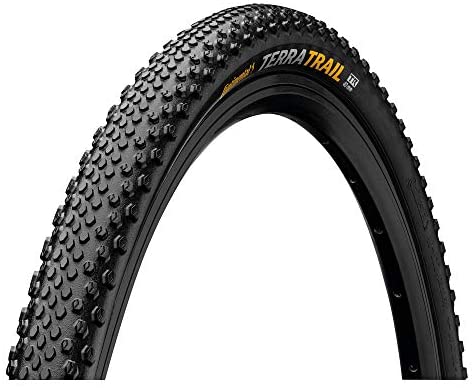
self-powered lighting for night riding — Fenders article focuses on wet-weather comfort gear; dynamo hub lights are a natural companion upgrade for bikepacking trips that extend into evening hours..
affordable bikepacking bags for wet-weather tours — Wet-weather bikepacking requires protecting both rider and gear; budget bags are a natural companion to fenders for keeping gear dry and organized on tour..
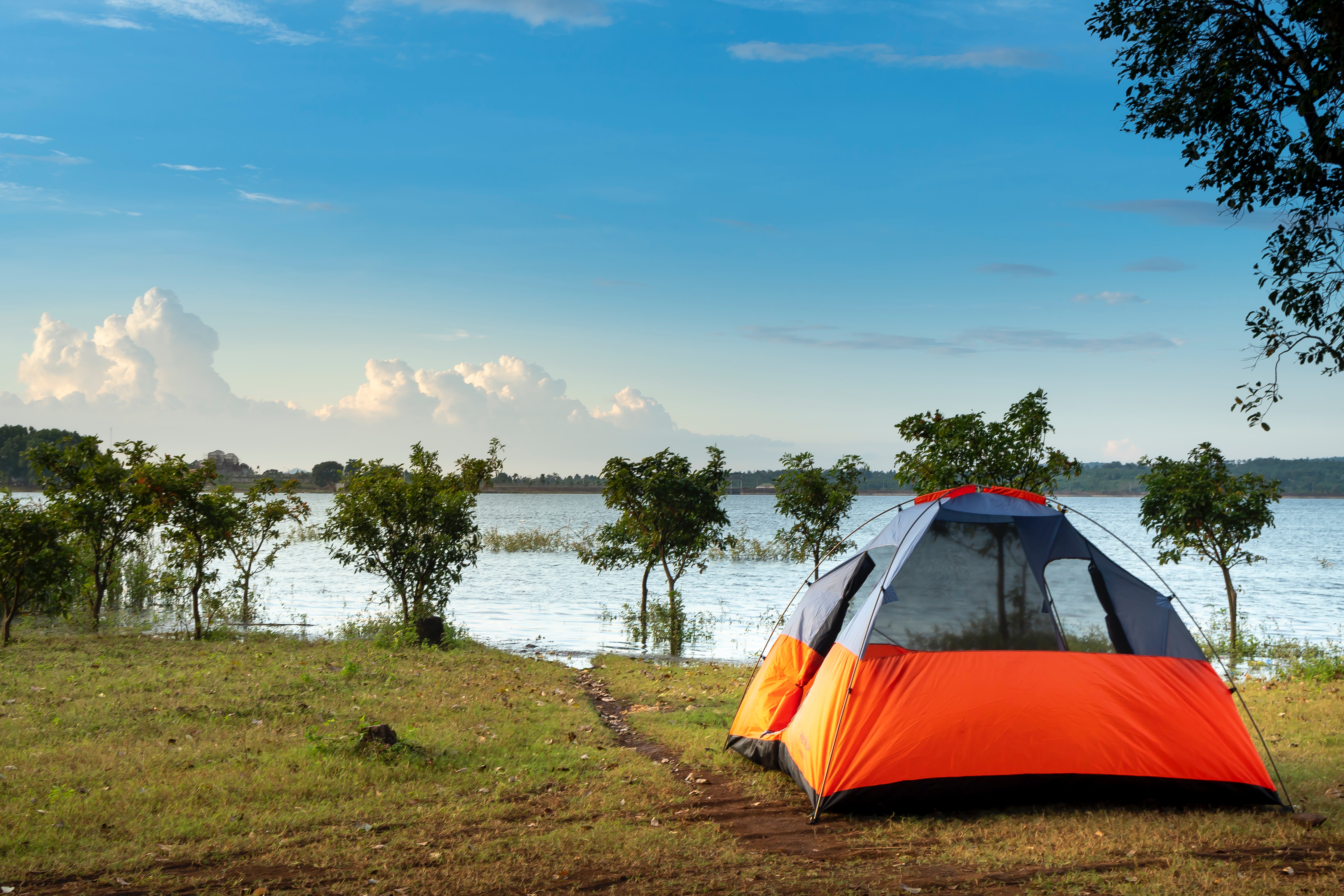
lightweight tents that handle rain — Wet-weather bikepacking requires both fenders and appropriate shelter; linking to budget tent options complements the fender article's focus on staying dry and comfortable on tour..
protective eyewear for wet weather riding — Fenders reduce spray but riders still need eye protection from remaining moisture and wind; sunglasses are a natural companion product for wet-weather comfort..
The challenge is finding fenders that work with your specific bike, clear your tires, fit around your frame bags, and survive rough terrain without rattling loose.
Here are the best options across different categories and bike setups.
Types of Fenders
Full-length fenders wrap around most of the wheel and provide the best spray coverage. They require frame eyelets (mounting holes on the fork and seatstay) and enough clearance for the fender to sit above the tire without rubbing. These are the gold standard for touring and bikepacking in consistently wet regions.
Clip-on fenders attach to the frame, seatpost, or fork without eyelets.
They are lighter, easier to install, and work on bikes that lack mounting points. Coverage is less complete than full-length options, but they still block the worst of the spray.
Downtube and fork-mounted mud guards are minimal options that protect your face and drivetrain from front wheel spray. They do almost nothing for rear wheel spray but are ultralight and universal.
SKS Bluemels 75U
The Bluemels are the classic full-length touring fender, and they remain one of the best options for bikepacking bikes with eyelets.
Made from a durable composite material, they flex enough to survive bumps without cracking but hold their shape over time. The 75mm width accommodates tires up to about 50mm with adequate clearance.
Installation requires eyelets at the dropout, fork crown, and seatstay bridge. The included hardware is comprehensive, and while initial setup takes 30 to 45 minutes with some fiddling, once they are dialed in, they stay put.
The stainless steel stays are strong and resist bending.
Coverage is excellent. The front fender extends far enough forward and the rear fender drops close enough to the tire that you stay remarkably dry in sustained rain. A mud flap on the front fender deflects spray that would otherwise hit your feet and bottom bracket.
At around $60, the Bluemels are affordable, durable, and effective. If your bike has eyelets and sufficient clearance, these should be your default choice.
Portland Design Works Full Metal Fenders
PDW's Full Metal Fenders are made from aluminum, which makes them stiffer and more durable than plastic alternatives.
They come in a polished silver finish that looks sharp on touring and gravel bikes. The aluminum construction means they do not flex much, so they stay aligned better than plastic fenders on rough roads.
Width options cover tires from 25mm road slicks up to 50mm gravel tires. Like the Bluemels, they require eyelets and sufficient frame clearance. The included stainless stays and hardware are quality components that do not rust.
The downside is weight and cost.
At about $80 and noticeably heavier than plastic fenders, they are overkill for ultralight setups. But if you want fenders that will last years of hard use without cracking or warping, the aluminum construction is worth it.
SKS Speedrocker Gravel
The Speedrocker is designed specifically for gravel and bikepacking bikes, and it shows.
The clip-on attachment system requires no eyelets. The front fender clips to the fork arch using a rubber strap, and the rear fender mounts under the seatpost clamp. Both use a quick-release mechanism that lets you pop them on and off in seconds.
Coverage is less than full-length fenders but still effective. The front fender blocks most face and foot spray, and the rear fender protects your lower back and seat bag.
The profile is slim enough that they do not interfere with most frame bag setups.
For bikepackers with bikes that lack eyelets, or those who only want fenders for the rainy portions of a trip, the Speedrocker set is a practical solution at about $45. They are light, easy to install, and genuinely useful without the commitment of permanent fenders.
Mudhugger Front Fender
Mudhugger makes mountain bike fenders that bolt to the fork crown using a simple two-bolt clamp.
If you ride a suspension fork, these provide excellent front wheel coverage with zero interference to your setup. The design extends further down than most clip-on options, covering more of the tire's spray arc.
They come in various widths to match different tire sizes, from 2.1-inch cross-country tires up to 2.6-inch trail tires. The material is flexible polypropylene that absorbs hits without cracking.
Weight is negligible at under 100 grams.
The limitation is that Mudhugger only makes front fenders. You will need a separate solution for the rear. But for mountain bike-based bikepacking setups, a Mudhugger front fender paired with a clip-on rear like the SKS X-Guard creates a solid combination. The front fender runs about $25.
Ass Savers Fendor Bendor
The name is silly, the product is surprisingly effective.
The Fendor Bendor is a thin, flexible plastic sheet that clips under your saddle rails and unfolds to cover the rear wheel. When you do not need it, it folds flat against the underside of your saddle and adds essentially no weight or bulk.
Coverage is limited to blocking the direct rooster tail that would hit your back and seat pack. It does nothing for lower spray or side splatter. But for bikepackers who usually ride in dry conditions and want a just-in-case option that weighs almost nothing, this is a clever solution.
At about $15, it is the cheapest option here and worth tossing in your bag even if you have full fenders on another bike.
The Fendor Bendor has saved many a bikepacker from a soaked back on an unexpected rainy afternoon.
Fender Compatibility Tips
Before buying fenders, measure your tire clearance. You need at least 10mm of space between the tire and the closest part of the frame or fork for a fender to fit without rubbing. Many modern gravel bikes are designed with fender clearance built in, but check rather than assume.
If you run a frame bag, make sure the fender stays (the metal struts) do not conflict with the bag's mounting straps. On some setups, you may need to adjust stay routing or trim straps to avoid interference.
Carry a spare fender bolt and a small section of zip tie. Fender hardware can vibrate loose on rough roads, and a single lost bolt can leave a fender dragging on your tire. A zip tie works as a temporary fix until you can get proper hardware.
Do You Really Need Fenders for Bikepacking?
If you are riding in regions where rain is likely, absolutely yes. Even partial fenders make a huge difference in comfort and gear protection. Fenders also extend the life of your drivetrain by reducing the amount of gritty water that gets flung onto your chain and cassette.
In consistently dry climates, you can skip them. But if there is any chance of rain or wet trails, pack at least a minimal option. The weight and hassle are trivial compared to the misery of riding for hours in the rain without any spray protection.